From Bomb Hoaxes to Ice: Understanding Liverpool School Closures
Liverpool, a city renowned for its vibrant culture and strong community spirit, occasionally faces disruptions that directly impact its youngest citizens and their families. When a school closes unexpectedly, it sends ripples through daily routines, creating challenges for parents, pupils, and staff alike. From alarming security threats like bomb hoaxes to the stark realities of severe winter weather, understanding the various reasons behind these closures is crucial for every Liverpool family. The Liverpool Echo frequently serves as a vital source of information during such times, keeping the community informed about Liverpool Echo school closures and other urgent updates.
This article delves into the diverse factors that can lead to schools shutting their gates, exploring the specific incidents that have recently affected the city and offering insights into how these situations are managed, with pupil safety always at the forefront.
Navigating Unforeseen Disruptions: The Reality of Malicious Communications
One of the most unsettling reasons for a school closure stems from malicious communications, often involving threats that range from bomb hoaxes to intentions of causing harm. These incidents, while often designed to spread panic, are always treated with the utmost seriousness by schools and law enforcement, as even a potential risk cannot be ignored.
A stark example of this played out recently when LIPA School, a prominent educational establishment in Liverpool, informed families of an immediate closure. Following a direct bomb threat and a separate threat to cause harm, Headteacher Claire McKendrick made the difficult but necessary decision to close the school. Her communication underscored the reality that, while many such messages prove to be hoaxes, the heightened media attention surrounding the school at the time made the threat a credible risk. This prioritisation of safety meant that no one was to enter the building until it was confirmed safe by authorities.
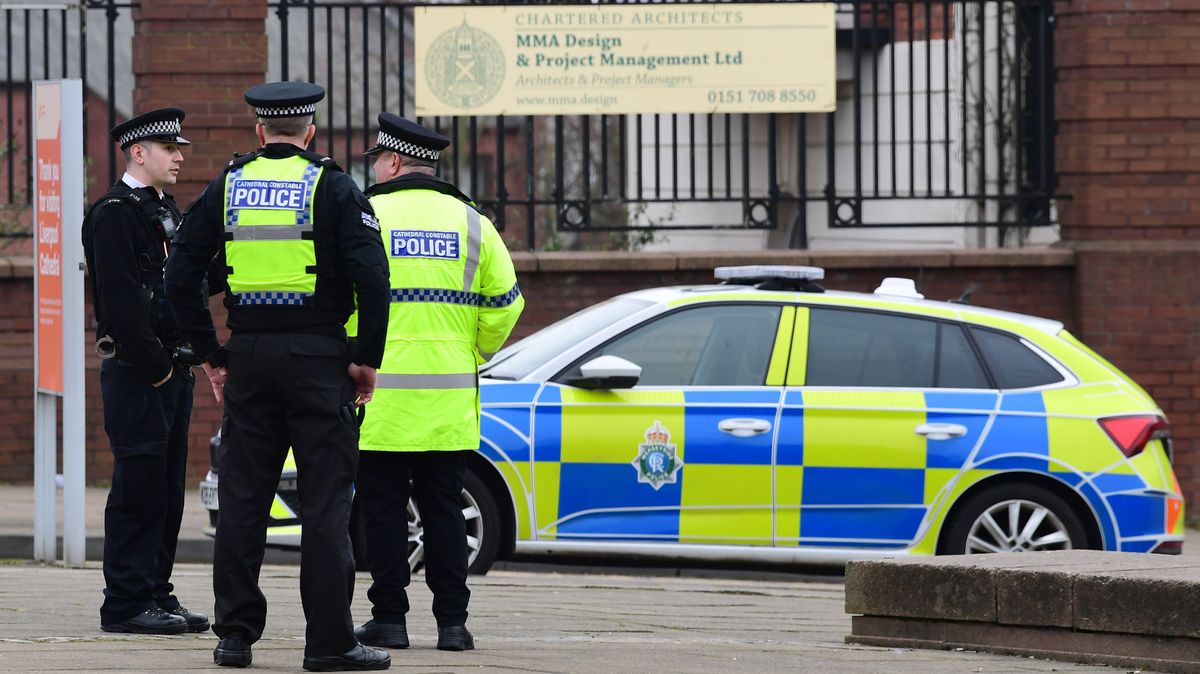
Merseyside Police swiftly responded to reports of these malicious communications, acknowledging that similar emails had been sent to a number of schools across the region. Chief Inspector Phil Thompson reassured parents and carers that enquiries were ongoing and that police were liaising with all affected schools. While not every school receiving these communications was required to close, the presence of officers at LIPA School on the morning of its closure highlighted the gravity with which such incidents are treated. The force's commitment to identifying those responsible and taking appropriate action sends a clear message that these acts are not taken lightly. The disruption caused to learning and family schedules is significant, underscoring the malicious intent behind these communications.
These incidents add to a concerning pattern of malicious communications aimed at Liverpool schools, each warranting a dedicated police investigation. The experience for schools, parents, and pupils can be incredibly stressful, creating an environment of uncertainty and fear. It reinforces the critical need for robust security protocols and clear communication channels during such emergencies.
For a deeper dive into police investigations concerning these serious threats, you can read our related article: Liverpool School Threats: Police Investigate Malicious Communications.
When Nature Calls a Halt: Schools Closed by Ice and Snow
Beyond human-instigated threats, the unpredictable forces of nature frequently lead to school closures across Liverpool. Winter weather, particularly severe ice and heavy snowfall, poses significant safety challenges that often make it impossible for schools to operate safely.
A prime example occurred in January when Merseyside experienced a dramatic drop in temperatures, plummeting below freezing overnight. The region was placed under a Met Office yellow weather warning for ice, leading to treacherous conditions on roads and pavements. This icy grip forced numerous schools, including Gateacre School, to announce immediate closures. Gateacre School specifically stated, "School will be closed Friday 10th January for all students. School will reopen Monday 13th January unless we notify you otherwise."
The decision to close schools due to adverse weather is not taken lightly. It involves assessing multiple factors:
- Travel Safety: Icy roads and pathways make commuting perilous for students, parents, and staff, particularly those travelling by car, bus, or on foot. The safety of school transport is also a major consideration. Merseyrail, for instance, confirmed that its first trains ran without passengers to ensure tracks were safe, illustrating the wider impact on regional transport.
- Site Safety: School grounds themselves can become unsafe due to ice-covered playgrounds, slippery paths, and potential hazards from falling snow or ice.
- Building Functionality: Extreme cold can affect school heating systems, water pipes, and even electricity, making it impossible to maintain a safe and comfortable learning environment.
- Staffing Levels: Even if the school building is accessible, many staff members may be unable to reach work safely, making it impossible to adequately supervise students.
These weather-related closures, while frustrating for families, are critical for preventing accidents and ensuring the well-being of the entire school community. Schools typically rely on Met Office forecasts, local authority advice, and their own site assessments to make these difficult decisions, often communicating them early in the morning via text message, email, and their websites – updates often picked up by the Liverpool Echo School Closures reporting.
To understand more about how severe weather impacts schools, check out our article: Merseyside Schools Close Due to Ice: Jan 10 Weather Warning Impact.
The Broader Impact on Liverpool Families and Education
Whether a closure is due to a credible threat or a blanket of ice, the impact on Liverpool families is immediate and far-reaching. Beyond the immediate disruption to learning, school closures present a myriad of challenges:
- Childcare Woes: Parents, especially those who work, face the sudden dilemma of finding alternative childcare arrangements or taking unexpected time off work. This can lead to significant financial and professional strain.
- Learning Disruption: While many schools are equipped for remote learning, unexpected closures can still mean missed lessons and interruptions to the curriculum, particularly for younger students or those without reliable internet access at home.
- Emotional Impact: For children, especially after a threat, closures can be confusing and frightening. Parents also bear the emotional burden of ensuring their child's safety and well-being.
- Economic Ripple Effect: The cumulative effect of multiple closures, even for a day or two, can have a minor but noticeable impact on local businesses and the wider economy as parents adjust schedules.
In light of these challenges, effective communication from schools and local authorities becomes paramount. Parents rely heavily on timely, clear, and consistent updates to plan their day. The role of local news outlets, such as the Liverpool Echo, in consolidating and disseminating this information cannot be overstated. From reporting on the specific reasons for closure to providing updates on reopening plans, the Liverpool Echo School Closures coverage is an essential resource for the community.
Staying Informed: Your Guide to Liverpool School Closures
For parents and guardians in Liverpool, being prepared for unexpected school closures is key to mitigating their impact. Here are some actionable tips:
- Check School Communication Channels: Most schools use text messages, emails, and their official websites to announce closures. Ensure your contact details are up-to-date with the school.
- Monitor Local News: Keep an eye on reputable local news sources like the Liverpool Echo. They often provide live updates and comprehensive lists of affected schools during widespread events, such as severe weather or major security alerts.
- Have a Contingency Plan: Discuss with your employer the possibility of remote work or emergency leave. Arrange alternative childcare options with family, friends, or trusted neighbours for unexpected closure days.
- Prepare for Remote Learning: Familiarise yourself with your child's school's remote learning platforms and ensure your child has access to necessary devices and internet connectivity at home.
- Stay Calm and Reassure Children: In the event of threat-related closures, maintaining a calm demeanour and reassuring your children about their safety is crucial.
- Follow Police Advice: If a closure is due to a security threat, follow all advice from Merseyside Police and school authorities, including avoiding the school site until it is declared safe.
Staying informed and prepared can significantly ease the stress associated with unexpected school closures. The commitment of Liverpool schools to pupil safety, whether facing a malicious threat or the fury of winter, remains unwavering, supported by the dedicated efforts of local authorities and media outlets like the Liverpool Echo.
Conclusion
Liverpool school closures, whether prompted by alarming bomb hoaxes or the biting cold of an icy morning, are always decided with the singular goal of ensuring pupil and staff safety. While disruptive, these measures reflect a responsible and cautious approach to managing unforeseen circumstances. The collaboration between schools, Merseyside Police, and local information sources like the Liverpool Echo ensures that families are kept informed and supported during challenging times. By understanding the reasons behind these closures and preparing for potential disruptions, the resilient community of Liverpool can better navigate these occasional but significant interruptions to daily life, always prioritising the well-being and education of its children.